Your Topics | Multiple Stories: Step-by-Step Guide
You’ve probably read articles that felt flat. One idea. One angle. Nothing exciting. You forget them fast. Now think about the stories you actually remember. They usually have depth, different views, and real moments. That’s the power behind Your Topics | Multiple Stories.
Today, people don’t want just one side of a topic. They want the full picture. They want to see how something works in real life, from different eyes and in different situations. This is where this strategy really shines.
Instead of writing one long and boring piece, you break your topic into smaller stories. Each one shows a new angle and connects with a different reader. For example, if your topic is “remote work,” you don’t just explain it. You show an employee’s day, a manager’s struggle, and a tip that actually works. That’s how you keep people reading.
Even search engines prefer this approach. Google’s helpful content guidelines (2024) show that content with real experience and depth performs better than fluff or repetition. In this guide, you’ll learn how to use Your Topics | Multiple Stories in a simple way, with clear steps you can start using right away.
What “Your Topics | Multiple Stories” Really Means
At its core, Your Topics | Multiple Stories is simple: you take one topic and explain it through different stories. Instead of giving one straight explanation, you break your topic into multiple angles. Each angle shows a new side of the same idea, which makes your content feel richer and more engaging. A single-story article can feel limited. It might answer some questions, but it leaves gaps. A multi-story article, on the other hand, lets readers see how a topic works in real life. It connects with more people because different readers find stories they relate to.
For example, if your topic is “fitness,” you could share three different perspectives. One story might follow a beginner trying to stay consistent. Another could focus on a trainer sharing practical tips. A third could show a busy parent finding time to exercise in a hectic schedule. Each story adds value and creates a more complete picture than any single story could. The topic comes alive, and readers feel like they’re getting more than just facts—they see real situations they can connect with.
This approach also makes writing easier for you. You don’t need to force ideas or stretch points unnaturally. Each angle naturally comes from thinking about your topic from a different perspective. It works across blogs, YouTube, teaching materials, or even personal storytelling. People retain information faster when they see examples, not just statements.
Why This Strategy Works So Well Today
Content consumption has changed. People don’t read like they used to. They scan, skip, and look for what grabs them quickly. If your content feels boring, readers leave fast. That’s why Your Topics | Multiple Stories works so well today. It matches how people think. Everyone has different experiences, and one story rarely connects with all readers. By showing multiple perspectives, you increase your chances of reaching more people.
It also helps you as a creator. Instead of running out of ideas, you can explore different angles for the same topic. This makes writing less stressful and keeps your content fresh. According to HubSpot (2024), content with varied storytelling keeps readers engaged longer, meaning they spend more time on your page and interact more with your content. That’s good for both your audience and your metrics.
From the reader’s side, this strategy adds clarity and connection. When you give examples, readers understand faster. When you share relatable stories, they feel engaged and cared for. Take “starting a business” as an example: one reader may relate to funding struggles, another to marketing challenges, and another may just need motivation. By covering multiple stories, your content feels helpful instead of generic. It addresses different needs and resonates with different people.
How Multiple Stories Improve SEO and Visibility

Search engines prioritize helpful, high-quality content. That’s where Your Topics | Multiple Stories can improve your SEO naturally. First, it covers more search intent. Different people search for different things—some want tips, some want examples, and some just want answers. When your content offers multiple angles on the same topic, you naturally satisfy more of these search queries. This isn’t about stuffing keywords—it’s about being genuinely useful.
Second, it builds topic authority. Google favors content that demonstrates depth and expertise. Explaining a topic from multiple angles signals to search engines that your page covers the subject comprehensively. Google Search Central (2023) notes that content showing real experience and expertise ranks better than shallow pages. By giving readers multiple perspectives, you show that your content is trustworthy, thorough, and worth reading.
Third, it boosts engagement. More stories keep readers on the page longer. They scroll, click, and explore more sections of your site. According to Search Engine Journal (2024), longer time on page signals value to search engines. For instance, if your article only explains “remote work tips,” readers might skim and leave. But if you include multiple stories—like an employee struggling with focus, a manager coordinating teams, and a freelancer building routines—readers stick around and learn more. This behavior improves rankings over time and naturally strengthens your SEO.
Real Examples of Multiple Stories in Action
Let’s make this real. Many well-known brands already use Your Topics | Multiple Stories to connect with audiences, and the results speak for themselves. Take Nike, for example. They don’t just sell shoes. Instead, they share athlete journeys, beginner experiences, and inspiring comeback stories. Each story highlights a different side of fitness, showing struggles, victories, and lessons learned. By telling multiple stories around the same core idea—fitness—Nike reaches different types of readers. Beginners relate to someone starting their journey, seasoned athletes connect with advanced tips, and casual viewers get motivated by personal triumphs.
Now consider Airbnb. They don’t only show rooms or listings. Their content includes host stories, travel experiences, and glimpses of local culture. One story might highlight a host’s entrepreneurial journey. Another might follow a family discovering a new city. Yet another could show how the community benefits from tourism. These multiple angles make Airbnb feel personal and authentic. It’s not about selling a service; it’s about showing real people and real moments.
This approach works because people connect with people—not products. Take a topic like “remote work.” One story could follow a worker struggling with focus, another a manager coordinating a team, and a third a freelancer building a daily routine. Each story solves a different problem, but together they create a complete, relatable picture. According to Forbes (2023), storytelling builds trust faster than plain facts. When your content feels human and real, readers engage more, remember more, and keep coming back.
How to Create Your Own Multiple Stories Strategy
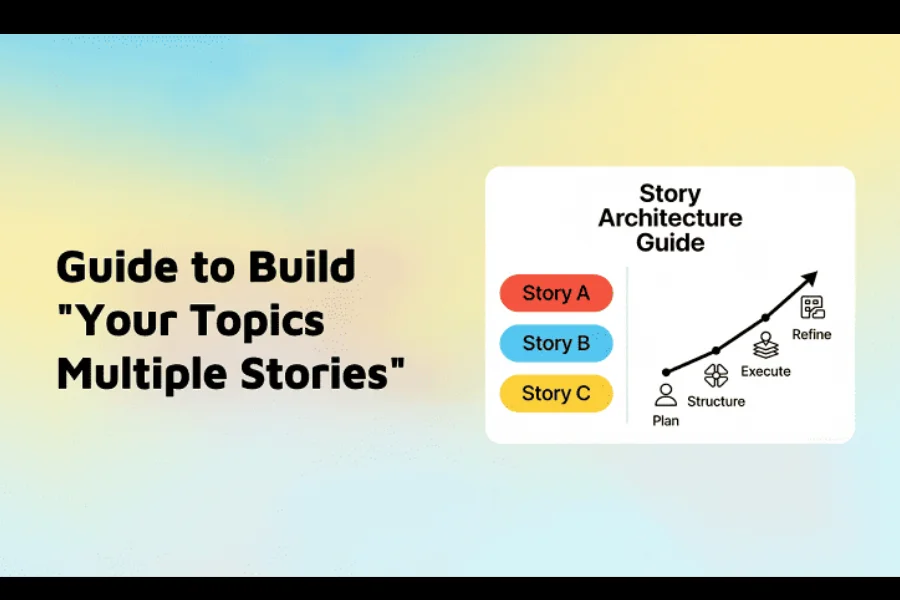
Creating a multiple stories strategy doesn’t need to be complicated. It starts with one simple idea: pick a clear core topic. This is the foundation of all your stories. A strong topic keeps your content focused and prevents it from feeling messy or scattered. For instance, instead of choosing a broad topic like “health,” narrow it down to “home workouts.” This makes planning your stories easier, because you already know your base. You won’t get stuck wondering what to write next, and each story naturally flows from your main topic. It also helps your readers—they immediately understand what your content is about. In real life, starting with a clear topic saves time, reduces stress, and keeps your writing organized. You can then focus on exploring different angles without losing sight of the main idea.
Pick One Clear Core Topic
Start simple. Your topic can be anything that interests you—fitness, blogging, business, or study tips. The key is clarity. A focused topic sets the stage for all your stories, so nothing feels off-topic or confusing. In practice, choosing a specific topic makes your content easier to write and more enjoyable for readers. They immediately know what they’ll get, and you avoid drifting into unrelated ideas. This step may seem small, but it forms the backbone of your multiple stories approach.
Find 3–5 Different Angles or Perspectives
Once your core topic is clear, think about the different ways people experience it. Ask yourself who is affected and how. Each group or viewpoint gives you a new story. For example, for “remote work,” you could include an employee’s challenges, a manager’s perspective, a freelancer’s routine, or a beginner’s experience. You don’t need dozens of stories—3 to 5 strong angles are enough to keep your content focused yet complete. In real life, this prevents repetition, keeps readers interested, and allows them to find the story that resonates most with them. It also makes writing easier, because each angle has a clear purpose.
Choose the Right Format for Each Story
Not every story needs to be written the same way. Some work best as tips, some as short narratives, and some as lists. Mixing formats keeps your content interesting and easier to read. For example, you could share practical tips for quick advice, short stories for emotional connection, and bullet lists for easy scanning. HubSpot (2024) shows that using varied formats improves engagement and readability. Different readers prefer different formats—some like stories, some like lists, some like visuals. By mixing formats, you serve all types of readers and keep them hooked from start to finish.
Organize Everything in a Simple Structure
After choosing your stories and formats, it’s time to organize everything logically. Your content should feel like a path, with each story leading naturally to the next. Use headings and subheadings to guide readers through the flow. Don’t jump around or introduce unrelated points mid-way. In real life, a clear structure keeps readers from feeling lost, encourages them to stay longer, and helps them absorb the material more effectively. It also benefits SEO, because search engines can easily understand the hierarchy and intent of your content. A well-organized piece is a win-win: your audience stays engaged, and search engines recognize it as valuable.
End with One Clear Message
After sharing all your stories, tie everything together with a single, clear message. Avoid introducing new ideas at the end. Instead, highlight what readers should take away from the entire piece. This leaves a strong, memorable impression. People often remember endings more than any other part of content, so make it count. In real life, a clear final message helps your readers apply what they’ve learned, share your content with others, or feel motivated to act. Ending with focus reinforces all the stories you shared and gives your content a sense of closure.
Where You Can Use This Strategy
You can apply Your Topics | Multiple Stories almost anywhere, and it works for many types of content. In blogging, this approach makes posts more helpful because you can cover multiple angles without repeating yourself. Instead of writing one long, boring article, you break the topic into smaller stories. Each one explains a different aspect, answers a different question, or shows a different example. This keeps readers engaged and encourages them to explore more of your content.
In marketing and brand storytelling, multiple stories help you connect with different customers. One story might show a product solving a problem, another could highlight a customer’s personal journey, and a third might show behind-the-scenes work. Each story appeals to a different audience segment, which makes your content more relatable and persuasive. Brands like Airbnb and Nike already use this strategy, proving it works in real-life campaigns.
Education also benefits. Students understand complex ideas better when they see them from multiple angles. For example, a history lesson can include political analysis, personal diary excerpts, and cultural stories. This creates a richer understanding and keeps learners interested.
Even personal content, like social media posts or memoir writing, benefits. Sharing multiple stories about the same topic makes your content feel real, layered, and authentic. Your audience connects with the human side of your experiences, not just the facts.
Common Mistakes and How to Fix Them
Even a powerful strategy like Your Topics | Multiple Stories can go wrong if you’re not careful. One common mistake is trying to include too many stories. Overloading readers can make your content confusing and overwhelming. Stick to three to five strong, distinct stories per topic. This keeps your content focused and digestible while still showing variety.
Another mistake is repeating ideas. Each story should bring something new—a different perspective, lesson, or insight. If two stories feel the same, readers lose interest quickly. Make sure every angle has its own purpose and value.
A third issue is losing focus on the main topic. It’s easy to drift when you have multiple stories, but every story should connect back to the central idea. This ensures readers understand the main message and prevents your content from feeling scattered.
Poor structure is another trap. Without a clear flow, readers can get lost between stories. Planning your headings, story order, and transitions makes a huge difference. A logical structure improves readability and builds trust. According to Search Engine Journal (2024), well-organized content also boosts user experience, which search engines reward.
In real life, fixing these small mistakes transforms your content. Readers stay longer, understand more, and feel the content is trustworthy. You don’t need perfection—just clarity, focus, and good organization.
Final Words Your Topics | Multiple Stories
You’ve probably read articles that felt flat—one idea, one angle, nothing exciting. Now think about the stories you actually remember. They usually have depth, real moments, and different perspectives. That’s the power behind Your Topics | Multiple Stories.
Instead of writing one long piece, you break your topic into smaller stories. Each one shows a new angle and connects with a different reader. For example, with “remote work,” you could show an employee’s day, a manager’s challenges, and a freelancer’s routine. This approach keeps people reading and helps them relate. Even Google favors content with depth and real experience (Google, 2024).
Many brands already use this method. Nike shares athlete journeys and beginner stories, while Airbnb highlights host experiences and local culture. The key is clear structure, multiple perspectives, and varied formats—tips, short stories, or lists. Avoid too many stories, repeated ideas, or drifting off-topic. In short, one topic becomes stronger when you show it from different angles, making your content engaging, memorable, and useful.
For More Informations Visit County Welfare Thanks.