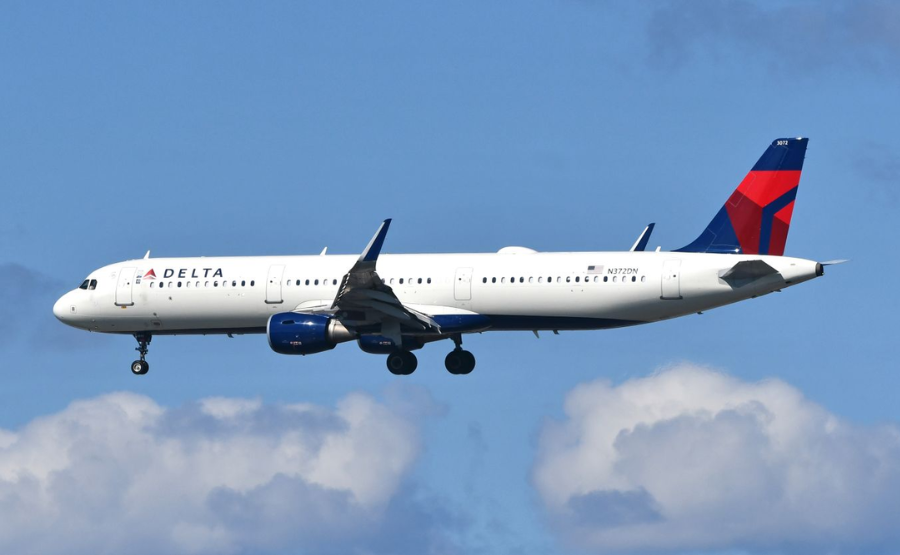
Delta Flight DL275 Diverted LAX: Real Reason Behind the Sudden Turn
You never expect your flight to suddenly turn around. But that’s exactly what happened with Delta Flight DL275. This flight was heading from Detroit to Tokyo. Everything started normally. Passengers were relaxing, watching movies, or trying to sleep. Then something changed mid-air.
The plane didn’t continue toward Japan. Instead, it turned and headed toward Los Angeles. That one move made people curious and a bit worried. Many started asking questions online. Why did this happen? Was it dangerous? Did something serious go wrong? The good news is simple. The plane landed safely. No one was harmed. The crew stayed calm and handled everything well.
In real life, flights don’t change direction for no reason. Pilots follow strict safety rules. Even a small system issue can lead to a big decision. That’s because safety always comes first in aviation. According to insights shared by Forbes and aviation safety experts, early action is what prevents bigger problems in the air. That’s exactly what happened here. So while the diversion felt sudden, it was actually a smart move.
What Happened on Delta Flight DL275
Delta Flight DL275 was a long-haul flight. It was traveling from Detroit to Tokyo, which usually takes over 12 hours. The aircraft used was an Airbus A350, known for its advanced systems and long-range capability. For the first few hours, everything went smoothly. The plane climbed to cruising altitude. Passengers settled into their seats. It was a normal flight experience.
Then, somewhere over the Pacific Ocean, the situation changed. The pilots noticed a system warning in the cockpit. This warning wasn’t visible to passengers, but it was important. It indicated that something wasn’t working as expected. At that moment, the crew had to make a decision. Continue flying over a cold ocean for many more hours, or divert to a safer location. They chose to divert.
This decision is not made lightly. Pilots follow strict procedures. They assess the risk, check the systems, and choose the safest option. In this case, Los Angeles International Airport (LAX) was selected as the diversion point.
Here’s how this works in real life. If you’re driving and your car shows a warning light, you don’t keep going for hours. You stop and check it. Pilots think the same way, but at a much higher level of safety.
Original route and flight details
Delta Flight DL275 usually flies from Detroit to Tokyo Haneda Airport. This is a long journey across the Pacific Ocean. The flight can take around 13 hours, depending on weather and winds. It is one of the most modern planes in the sky. It is built for long-distance travel and can carry hundreds of passengers comfortably.
On the day of the incident, everything started as expected. The plane took off on time. Weather conditions were normal. There were no visible issues during departure. Flights like DL275 operate regularly. Thousands of passengers travel this route every year for work, study, or vacation. Most flights complete their journey without any problems.
However, long flights require extra caution. When a plane is flying over the ocean, there are fewer nearby airports. This means pilots must be more careful when any issue appears. That’s why systems on these aircraft are constantly monitored. Even small warnings are taken seriously.
When the issue started mid-air
The issue began several hours into the flight. By this time, the plane was cruising at high altitude, likely around 35,000 to 38,000 feet. Outside temperatures were extremely cold. In the cockpit, the pilots noticed a warning related to the aircraft’s systems. This was not something passengers could see or feel. The cabin remained calm and normal.
When a warning appears, pilots follow a checklist. They don’t guess or panic. They carefully review the system data and assess the situation. At high altitudes, conditions can change quickly. A small issue can become more serious if ignored. That’s why pilots are trained to act early.
The crew likely evaluated how long the system could operate safely. They also considered the remaining flight time and distance from safe landing options. After reviewing all factors, they decided that continuing the journey was not the safest option.
Why the pilots chose to divert
The pilots had two main choices. Continue toward Tokyo or divert to a closer, safer airport. Continuing the flight meant several more hours over cold ocean air. With a system issue, that risk increases. Even if the problem seems small, conditions at high altitude can make it worse. Diverting means delay, but it reduces risk. That’s why pilots are trained to always choose safety over schedule.
In this case, they chose Los Angeles. It was not the closest airport, but it offered the best support for the aircraft and passengers. Think of it like this. You try to reach a place where help is available. That’s exactly what the pilots did. They selected an airport with the right facilities, trained staff, and support systems. This decision ensured a safe landing and proper inspection of the aircraft.
The Real Reason for the Diversion
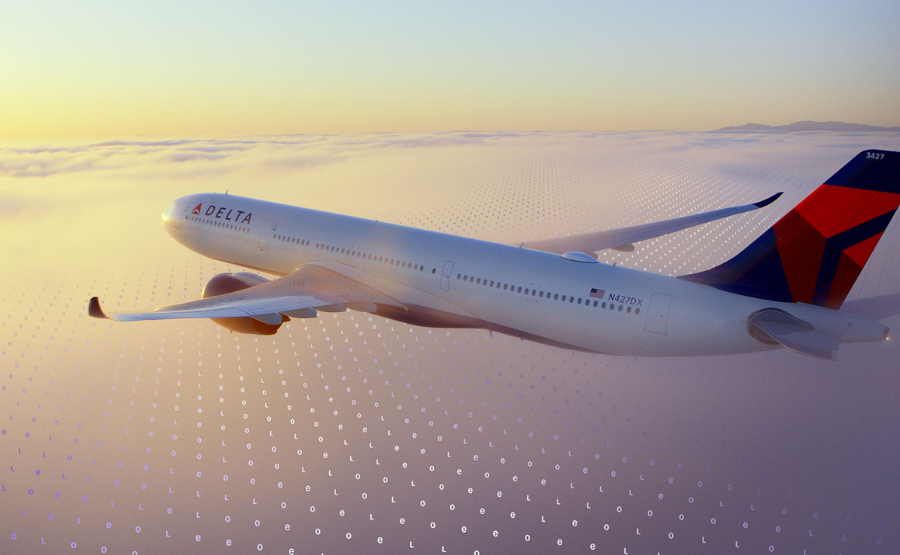
The real reason behind the diversion of delta flight dl275 diverted lax was an issue with the engine anti-ice system. While that may sound technical, the idea is simple. At very high altitudes, the air is extremely cold, and ice can form on critical engine parts. This can affect how the engine works and, in rare cases, lead to serious problems if not handled early.
The anti-ice system is designed to prevent this by keeping certain parts warm. When the system shows a fault or stops working properly, pilots cannot ignore it. Even if the problem seems small at first, the risk increases over time, especially during long flights over cold regions like the Pacific Ocean.
In real-world aviation, pilots are trained to act before a situation becomes dangerous. According to aviation safety insights often shared by sources like Forbes, early decisions help avoid bigger issues later. That is exactly what happened here. The diversion was not a sign of failure but a sign that the safety system worked as intended.
What the anti-ice system does (in simple terms)
The anti-ice system plays a very important role during flight, especially at high altitudes. When an aircraft is cruising around 35,000 feet, the outside temperature can drop below minus 50 degrees Celsius. In such extreme cold, ice can quickly form on engine parts, sensors, and other critical areas if there is no protection in place.
This system works by using warm air from the engine to keep certain surfaces from freezing. It helps maintain smooth airflow and ensures that the engine continues to perform properly. Without it, even a small amount of ice can disturb airflow, reduce efficiency, or create unnecessary stress on engine components.
A simple way to understand this is by thinking about your car on a cold morning. If your windshield is covered in frost, you cannot drive safely until it clears. The anti-ice system works in a similar way for aircraft, but at a much more advanced level.
Most passengers never notice this system because it operates quietly in the background. However, it is one of the key systems that keeps flights safe in extreme conditions.
What went wrong on this flight
On delta flight dl275 diverted lax, the anti-ice system showed a fault during the flight. This did not mean the system had completely failed, but it indicated that it might not work as expected for the rest of the journey. In aviation, even a partial issue like this is treated seriously because of the potential risks involved.
The pilots received this warning through the aircraft’s monitoring system. These systems are designed to alert the crew as soon as something is not working normally. Once the warning appeared, the crew began reviewing the situation and followed their standard procedures.
They had to consider several factors. The flight still had many hours left before reaching Tokyo. The aircraft was flying over a very cold region where ice buildup is more likely. If the system became weaker over time, the risk could increase.
Instead of taking that chance, the pilots chose to divert. This decision aligns with strict safety rules followed by airlines worldwide. It shows how even small technical concerns are handled with caution.
Why this issue could not be ignored
The issue with the anti-ice system could not be ignored because of the environment the aircraft was flying in. At high altitude over the Pacific Ocean, temperatures are extremely low, and conditions can quickly lead to ice formation. Without a fully reliable anti-ice system, the chances of ice affecting engine performance increase.
If ice begins to form on engine components, it can disrupt airflow and reduce efficiency. In more serious cases, it can cause damage or lead to engine instability. While such outcomes are rare, aviation safety rules are designed to prevent even the smallest chance of risk.
Another important factor was location. The aircraft was far from major airports. This means there were limited options if the situation became worse later. By acting early, the pilots ensured they still had safe and well-equipped landing choices.
Industry insights, including those discussed by Search Engine Journal, often highlight that safety decisions in aviation are based on prevention, not reaction. The crew followed this principle perfectly.
Why the Flight Landed at LAX
Choosing where to land during a diversion is a very important decision. Pilots do not just pick the closest airport. They look at several factors to make sure the landing is safe and the situation can be handled properly after touchdown.
In the case of delta flight dl275 diverted lax, Los Angeles International Airport was the best option available. Even though it was not the nearest airport, it offered everything the aircraft and passengers needed. The Airbus A350 is a large and advanced aircraft, so it requires specific facilities and trained staff for handling and inspection.
Pilots also consider runway length, airport traffic, weather conditions, and available support teams. LAX checks all these boxes. It is one of the busiest and most well-equipped airports in the world.
Another important factor is airline presence. Delta has a strong base at LAX, which means faster coordination, better support, and smoother handling of passengers after landing. In real life, this is like choosing a fully equipped hospital instead of a small clinic during an emergency. The goal is not just to stop, but to get the right help.
Why LAX was safer than closer airports
At first, it might seem strange that the flight did not land at a closer airport like Anchorage or Seattle. However, distance is not the only factor pilots consider. Safety depends on the airport’s ability to handle the aircraft and the situation properly.
The Airbus A350 requires long runways, advanced ground equipment, and trained technical teams. While some closer airports can handle large aircraft, they may not have the same level of support or resources as a major hub like LAX.
Los Angeles International Airport is designed to handle wide-body aircraft every day. Its runways are long enough for safe landings under different conditions. It also has the infrastructure needed for quick inspections and repairs.
Another factor is operational efficiency. Landing at a major hub allows better coordination with airline teams and reduces delays in handling the situation. So even though LAX was farther away, it was the safer and more practical choice. Pilots always think beyond distance and focus on the full picture.
Support and maintenance available at LAX
One of the biggest reasons for choosing LAX was the level of support available on the ground. When an aircraft diverts due to a technical issue, it needs immediate inspection and possibly repairs. This requires skilled engineers, proper tools, and access to spare parts.
LAX has all of these. It is a major hub with advanced maintenance facilities. Engineers there are trained to handle modern aircraft like the Airbus A350. They understand the systems and can quickly identify and fix issues.
Spare parts availability is another key factor. At smaller airports, parts may not be available right away, which can lead to long delays. At LAX, critical components and tools are usually on hand, which speeds up the process.
Delta also operates a large team at this airport. This includes engineers, technicians, and support staff who are available around the clock. According to insights often shared by HubSpot, strong support systems help reduce delays and improve response times, especially in unexpected situations.
How this choice helped passengers
Landing at LAX did not just help the aircraft—it also made things much easier for passengers. After a diversion, travelers need support, clear guidance, and options to continue their journey. A major airport like LAX is better equipped to provide all of this.
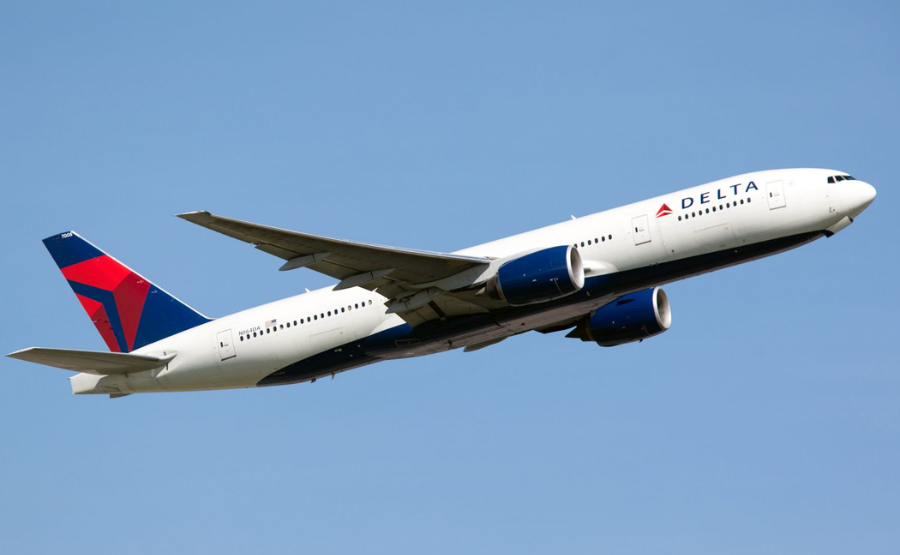
One big advantage is flight availability. LAX has many daily flights to international destinations, including Tokyo. This makes rebooking faster and more flexible. Passengers are less likely to face long delays compared to smaller airports.
Hotels, transportation, and food services are also easily available around LAX. This helps passengers stay comfortable while waiting for their next flight. Airline staff are also present in large numbers, which means quicker assistance and better communication.
What Passengers Experienced Onboard
When delta flight dl275 diverted lax, passengers first noticed something unusual on their seat screens. The flight map showed the plane changing direction. Instead of continuing toward Tokyo, it was turning back toward the United States. This moment naturally caused confusion for many people onboard.
Some passengers began asking questions. Others checked their phones or looked around to see how others were reacting. It’s normal to feel uncertain in situations like this, especially during a long international flight over the ocean.
However, inside the cabin, things remained calm. There was no panic or rush. The environment stayed controlled, and the crew handled the situation with confidence. This made a big difference in how passengers felt.
The flight attendants continued their duties, serving passengers and maintaining a normal routine. This helped create a sense of stability. Many travelers later shared that they felt reassured because the crew stayed professional and calm throughout the situation.
How the crew handled the situation
The crew’s response played a key role in keeping everything under control. As soon as the decision to divert was made, the pilots informed passengers in a clear and calm manner. They explained that the change was for safety reasons, without using complicated technical language.
Flight attendants also followed their training carefully. They continued normal service, checked on passengers, and stayed approachable. This helped maintain a sense of normalcy even though the situation had changed.
In aviation, crew members are trained for situations like this. They know how to manage both the technical side and the human side of a flight. Their goal is not only to ensure safety but also to keep passengers informed and comfortable. Passengers often take cues from the crew. If the crew appears stressed or rushed, it can increase anxiety. But when they remain calm and confident, it reassures everyone onboard.
Passenger reactions and emotions
Passengers on delta flight dl275 diverted lax experienced a mix of emotions during the diversion. At first, many felt confused when they noticed the aircraft changing direction. Some were concerned because they did not yet know the reason behind the decision.
Others, especially frequent travelers, remained more relaxed. They understood that diversions are sometimes necessary and are usually made for safety reasons. For them, the situation felt unusual but not alarming.
As the flight continued, passengers began sharing updates online. Social media quickly filled with posts, photos, and comments from people onboard. Many described the experience as unexpected but well-handled.
After the pilot’s announcement, most passengers felt reassured. Knowing that the crew was in control helped reduce anxiety. By the time the plane landed safely in Los Angeles, relief replaced most of the earlier concern.
How communication helped keep things calm
Clear communication was one of the most important factors in keeping passengers calm during the diversion. The pilot made announcements that were simple and easy to understand. Instead of using technical terms, the explanation focused on safety and the need to land at a suitable airport.
This approach helped passengers quickly understand what was happening. When people know the reason behind a decision, they feel more in control and less anxious. It removes confusion and builds trust.
Flight attendants also supported this communication by answering questions and staying available. Their presence helped passengers feel heard and cared for.
This idea is not limited to aviation. Even in everyday situations, clear communication reduces stress. Google Developers often highlight that simple and direct messaging improves user experience, and the same principle applies here.
What Passengers Experienced Onboard
When delta flight dl275 diverted lax, passengers first noticed something unusual on the in-flight map. The aircraft was no longer moving toward Tokyo. Instead, it had turned back toward the United States. For many people onboard, this was confusing and unexpected. Long international flights usually follow a straight path, so any sudden change naturally raises questions. Some passengers looked around, trying to understand what was happening, while others checked their screens repeatedly to confirm the change.
Despite the uncertainty, the cabin environment remained calm. There was no panic or visible stress among the crew. Flight attendants continued their duties, serving meals and assisting passengers as usual. This sense of normalcy helped reduce anxiety. People often take emotional cues from those around them, especially in unfamiliar situations. Because the crew stayed composed, passengers felt more at ease.
How the crew handled the situation
The way the crew handled the situation played a major role in keeping passengers comfortable and informed. As soon as the pilots made the decision to divert, they communicated with the cabin in a clear and steady tone. The announcement explained that the change was being made for safety reasons, without overwhelming passengers with technical details. This simple approach made it easier for everyone to understand what was happening.
Flight attendants supported this communication by staying visible and approachable. They continued normal service, which helped maintain a sense of routine. At the same time, they were ready to answer questions and assist anyone who felt concerned. Their training allows them to manage both safety procedures and passenger emotions at the same time.
In real-life situations, people naturally look for signs of reassurance. When leaders appear calm and confident, it helps others feel secure. That is exactly what happened on this flight. The crew’s professional behavior created trust and prevented unnecessary worry.
Passenger reactions and emotions
Passengers experienced a wide range of emotions during the diversion of delta flight dl275 diverted lax. At first, confusion was the most common reaction. Seeing the aircraft change direction without an immediate explanation made some travelers uneasy. For those who were not frequent flyers, the situation felt unusual and slightly concerning.
However, not everyone reacted the same way. Some experienced travelers remained calm because they understood that diversions are a normal part of aviation safety. They knew that such decisions are made to avoid risk, not because of immediate danger. As more information was shared, most passengers began to feel reassured.
Social media quickly became a place where passengers shared updates and thoughts. Many described the experience as surprising but well-managed. After the safe landing in Los Angeles, relief replaced earlier concerns. Passengers appreciated how smoothly everything was handled and how safe the situation felt throughout the flight.
How communication helped keep things calm
Clear communication made a huge difference in how passengers felt during the flight. The pilot’s announcement was simple, direct, and easy to understand. Instead of using technical terms, the explanation focused on safety and the need to land at a suitable airport. This helped passengers quickly grasp the situation without feeling overwhelmed.
When people understand what is happening, they feel more in control. This reduces fear and prevents confusion. The crew also made sure to provide updates at the right time, which kept passengers informed throughout the journey. Flight attendants supported this by answering questions and staying available in the cabin.
This approach reflects a principle often highlighted by platforms like Google Developers: clear and simple communication improves overall experience. The same idea applies in real-life situations, especially during unexpected events.
Timeline of Events (Step-by-Step)
Looking at the timeline of delta flight dl275 diverted lax helps you understand how quickly and carefully everything happened. From takeoff to landing, each step followed a clear plan. This was not a random or rushed situation. Instead, it was a controlled process guided by training, procedures, and real-time decisions.
The flight began like any other long-haul journey. Everything was normal during takeoff and early cruising. Passengers settled in, and the aircraft reached its expected altitude. Hours later, when the system warning appeared, the situation changed. From that moment, the crew moved step by step, following strict safety guidelines.
The pilots assessed the issue, communicated with ground teams, and chose the safest option. At the same time, ground support teams prepared for the aircraft’s arrival. This coordination between air and ground ensured a smooth and safe outcome.
Takeoff to mid-flight issue
Delta flight dl275 diverted lax began its journey from Detroit without any visible problems. The aircraft took off smoothly and climbed to its cruising altitude. Passengers settled into their seats, expecting a long but routine flight to Tokyo. For several hours, everything went exactly as planned.
During this time, the aircraft systems were continuously monitored. Modern planes like the Airbus A350 collect and display data for the pilots at all times. This allows them to spot even small changes in performance or system behavior.
After a few hours in the air, the pilots noticed a system warning related to the engine anti-ice system. This did not cause any immediate disruption in the cabin, but it was important enough to require attention. The crew quickly began reviewing the situation and running through their checklists.
At high altitudes, small technical issues can become more serious if ignored. That is why the pilots acted early instead of waiting. Their quick response allowed them to fully understand the problem before making any further decisions.
Decision to divert
Once the pilots understood the nature of the issue, they had to make an important decision. The flight still had many hours left before reaching Tokyo, and continuing over the cold Pacific Ocean carried additional risk. Even though the situation was under control at that moment, the crew needed to think ahead.
Pilots are trained to consider worst-case scenarios. If the system became weaker during the remaining flight time, it could lead to more serious complications. Because of this, they decided that diverting to a safe and well-equipped airport was the best option.
Los Angeles International Airport was chosen because it offered the right combination of safety, support, and operational efficiency. Once the decision was made, the aircraft changed course toward LAX. Passengers were informed through a calm and clear announcement.
The situation remained stable throughout this process. There was no panic or urgency in the cabin. Everything was handled in a controlled and professional manner.
Landing and post-flight actions
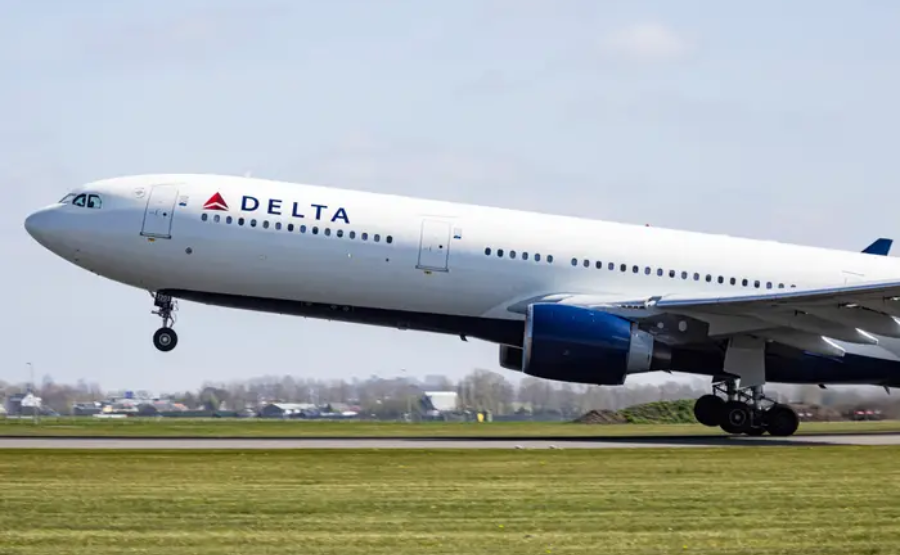
After several hours of flying toward Los Angeles, the aircraft landed safely at LAX. The landing was smooth, and there was no need for emergency procedures. From a passenger’s point of view, it felt like a normal arrival, even though the destination had changed.
Once the plane reached the gate, the next phase began. Passengers were guided off the aircraft in an organized manner. Airline staff were present to assist with rebooking, accommodations, and any immediate needs. This helped reduce confusion and ensured that travelers were supported.
At the same time, engineers and maintenance teams began inspecting the aircraft. They focused on the anti-ice system and related components to identify the exact issue. The aircraft remained grounded until all checks were completed and it was confirmed safe for future flights.
This process is standard in aviation. Safety checks are always thorough, even if the issue appears minor. By following these steps, the airline ensured that both passengers and the aircraft were handled properly.
Final Words
Delta Flight DL275 was on its way from Detroit to Tokyo when something unexpected happened mid-air. The aircraft changed direction and headed toward Los Angeles instead. This raised questions, but the reason was simple—a fault in the engine anti-ice system. At high altitude, temperatures are extremely low, and this system helps prevent ice from forming on engine parts. Even a small issue can become risky over long distances, especially over the ocean.
The pilots followed safety procedures and chose to divert early. They selected Los Angeles because it offered strong technical support, long runways, and better options for passengers. Throughout the flight, the crew stayed calm and kept passengers informed, which helped maintain a relaxed environment onboard.
After landing safely, passengers were assisted with rebooking and support, while engineers inspected the aircraft. The situation was handled smoothly from start to finish. This incident shows how aviation prioritizes safety above all else. A small warning led to a smart decision that ensured everyone reached the ground safely.
For More Informations Visit County Welfare Thanks.